Common Causes of Mold in Commercial Buildings and How Remediation Addresses Them
- May 14
- 3 min read

Commercial properties often face ongoing moisture challenges that create favorable conditions for mold contamination and indoor environmental damage. Office buildings, healthcare facilities, retail centers, and warehouses can all develop hidden mold problems when water intrusion remains untreated. Many property managers rely on commercial mold remediation in Atlanta to identify contamination sources and restore healthier indoor environments professionally. Experienced environmental consultants and restoration specialists use advanced remediation techniques to control mold growth while protecting building occupants and structural integrity. Understanding the common causes of mold helps commercial property owners take preventive action before serious damage develops.
Roof Leaks and Water Intrusion Problems
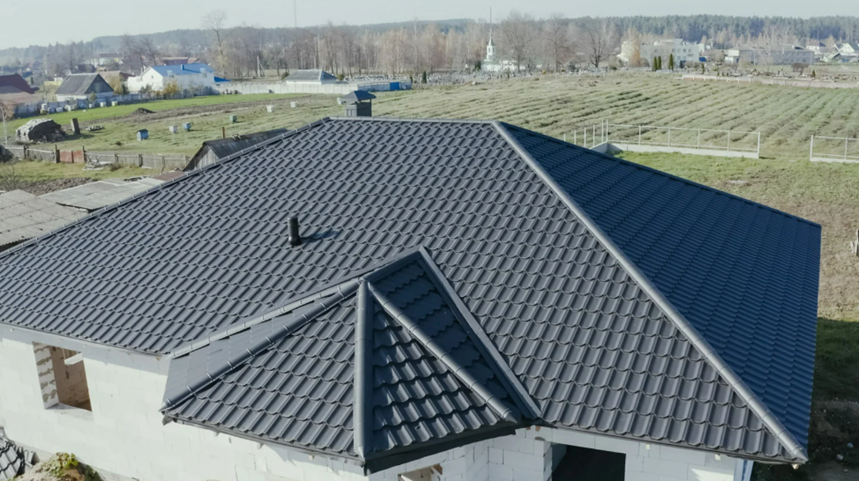
Roof leaks are one of the most common causes of mold growth within large commercial buildings because moisture can spread unnoticed through ceilings and wall systems. Damaged roofing materials, clogged drainage systems, and storm-related water intrusion often create hidden damp areas that support contamination. Professional environmental remediation contractors inspect roofing structures carefully to identify moisture-affected zones and prevent further spread. Experienced restoration specialists also remove damaged materials and improve drying conditions throughout the property. Addressing roof-related moisture quickly helps commercial property owners reduce long-term structural damage and maintain safer indoor environments.
Poor Ventilation and Excess Indoor Humidity
Commercial properties with inadequate ventilation systems often experience excess indoor humidity that contributes to mold development over time. Areas with limited airflow, such as storage rooms, bathrooms, and mechanical spaces, are especially vulnerable to trapped moisture accumulation. Professional indoor environmental consultants evaluate ventilation performance and humidity levels to identify areas requiring improvement. Skilled mold remediation companies also recommend airflow adjustments and moisture control solutions that support healthier indoor conditions. Improving ventilation helps reduce recurring contamination risks while creating more comfortable and safer environments for employees, tenants, and building visitors.
Plumbing Leaks Behind Walls and Flooring
Hidden plumbing leaks are another major contributor to mold contamination within commercial buildings because moisture may remain undetected for extended periods. Water damage beneath flooring systems or behind walls creates ideal conditions for mold colonies to spread throughout the structure. Experienced restoration contractors use moisture detection tools and thermal imaging equipment to locate concealed water intrusion areas accurately. Professional remediation specialists also repair affected materials and eliminate contamination safely to prevent future growth. Early detection of plumbing-related moisture problems helps commercial property owners avoid expensive structural repairs and environmental restoration projects.
Flood Damage and Emergency Water Exposure
Flooding and emergency water incidents can introduce significant moisture into commercial properties within a very short period. Storm damage, burst pipes, and appliance failures often create widespread environmental concerns that require immediate professional attention. Certified restoration professionals respond quickly to remove standing water, dry affected materials, and contain contamination before mold growth spreads further. Experienced remediation agencies also assess hidden moisture levels throughout walls, ceilings, and flooring systems after water emergencies occur. Rapid professional restoration helps commercial properties recover more efficiently while reducing long-term environmental and structural risks associated with moisture exposure.
Deferred Maintenance and Aging Building Materials
Older commercial properties with delayed maintenance often become more vulnerable to mold contamination because aging materials may trap moisture more easily. Cracked foundations, deteriorating insulation, and damaged window seals can all contribute to hidden water intrusion over time. Expert mold inspection specialists evaluate building conditions carefully to identify maintenance-related vulnerabilities before contamination worsens. Skilled remediation contractors also recommend preventive repairs that improve long-term moisture resistance throughout the property. Proactive maintenance and professional remediation strategies help commercial property owners preserve building integrity while reducing the likelihood of recurring environmental concerns.
Conclusion
Mold contamination in commercial buildings often develops because of moisture-related problems such as roof leaks, plumbing failures, poor ventilation, and flood damage. Professional mold removal services help property owners identify hidden contamination sources while restoring healthier indoor conditions through advanced environmental restoration methods. Experienced environmental consultants, restoration specialists, and remediation contractors play an important role in protecting commercial properties from long-term structural and air quality concerns. Businesses that invest in professional remediation and preventive maintenance strategies are better prepared to maintain safer, healthier, and more reliable commercial environments for employees and occupants.


Comments