The Role of Retaining Wall Installation in Protecting Your Landscape
- May 14
- 3 min read
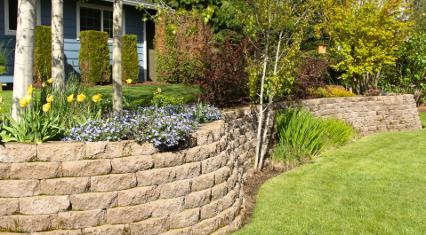
A well-designed retaining wall plays a major role in maintaining the strength, appearance, and stability of outdoor spaces. Property owners searching for retaining wall installation in Johns Creek often want long-term solutions that help prevent soil erosion and protect landscaped areas from drainage-related damage. Professional hardscape contractors and landscape specialists understand how changing soil conditions and water flow can affect residential and commercial properties. Reliable retaining wall systems not only improve the appearance of outdoor environments but also provide essential structural support that protects landscapes from costly environmental damage over time.
Preventing Soil Erosion and Landscape Damage
One of the primary functions of a retaining wall is to prevent soil erosion in sloped or uneven landscapes. Heavy rainfall and poor drainage can cause soil displacement that damages lawns, gardens, and outdoor structures. Professional retaining wall contractors carefully evaluate grading conditions and soil movement before designing a durable support system for the property. Experienced landscape construction specialists use engineered retaining wall solutions and high-quality materials to stabilize vulnerable areas. This professional approach helps preserve landscape design while reducing the risk of property damage caused by uncontrolled soil erosion and shifting terrain conditions.
Improving Drainage and Water Management
Water accumulation around outdoor spaces can weaken landscaping features and create long-term structural problems if it is not managed properly. Skilled retaining wall installation experts integrate drainage systems into the construction process to control water flow and reduce hydrostatic pressure. Professional hardscape contractors often install drainage channels, gravel backfill, and moisture management systems to protect retaining structures from water-related damage. These advanced drainage solutions help maintain healthy landscapes, prevent flooding issues, and improve the overall durability of retaining wall systems for residential and commercial properties alike.
Enhancing Structural Stability for Sloped Areas
Properties built on uneven terrain often require professional retaining wall systems to improve structural support and land stability. Without proper reinforcement, sloped landscapes may experience soil movement, foundation stress, and unsafe outdoor conditions. Experienced retaining wall specialists understand how to create stable structures that support the surrounding environment while maintaining the natural appearance of the landscape. Professional construction methods and engineered design strategies ensure that retaining walls can withstand environmental pressure, heavy rainfall, and long-term soil movement while protecting nearby outdoor features and structures from damage.
Increasing Property Appearance and Outdoor Functionality
Retaining walls provide both functional and visual benefits that can improve the overall value and appearance of a property. Professional landscape designers and hardscape contractors create customized retaining wall systems that complement patios, gardens, walkways, and outdoor living spaces. Skilled masonry professionals use natural stone, concrete blocks, and decorative materials to create visually appealing structures that blend with the surrounding landscape design. In addition to enhancing curb appeal, retaining walls also help create usable outdoor spaces that improve accessibility and maximize the functionality of sloped or uneven areas around the property.
The Importance of Professional Retaining Wall Installation
Professional retaining wall installation services ensure that every project is completed with proper engineering, quality materials, and long-lasting structural integrity. Experienced hardscape contractors evaluate soil conditions, drainage requirements, and landscape design goals before beginning construction. Certified retaining wall specialists follow proven installation methods that reduce the risk of wall failure, erosion, and drainage-related damage. Property owners benefit from professional expertise, reliable workmanship, and durable retaining wall systems designed to provide long-term protection for both residential and commercial landscapes while maintaining safety and visual appeal.
Conclusion
Retaining walls are essential for protecting landscapes, improving drainage, and supporting the structural stability of outdoor spaces. Professional installation services help prevent soil erosion, control water movement, and create stronger landscapes that withstand environmental stress over time. Skilled retaining wall contractors and hardscape specialists provide customized solutions designed to enhance both functionality and appearance for residential and commercial properties. Investing in professional retaining wall construction helps property owners maintain safer, more attractive, and more durable outdoor environments while protecting the long-term value of their landscape features.
Comments