Safety Standards Followed by Modern Home Lift Systems
- May 14
- 3 min read
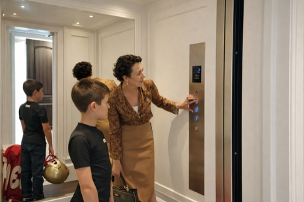
Modern residential properties increasingly include advanced accessibility solutions that improve convenience, comfort, and long-term mobility. Homeowners now expect residential mobility systems to provide not only smooth operation but also dependable safety performance for everyday use. Home lifts are designed with modern engineering standards, intelligent safety technology, and professional installation practices that support secure movement between floors. Certified elevator contractors and accessibility consultants continue to prioritize residential safety regulations, operational reliability, and long-term performance in every stage of modern lift system design and installation.
Emergency Safety Systems in Residential Lifts
Modern residential lift systems include advanced emergency features that help protect users during unexpected situations. Professional mobility equipment manufacturers integrate emergency stop controls, alarm systems, and backup power support into modern accessibility solutions to improve user confidence and operational reliability. Certified elevator technicians carefully test these features during installation to ensure proper functionality before residential use begins. Smooth braking technology and controlled lowering systems also contribute to safer movement during electrical interruptions or operational concerns. These professionally engineered safety systems help create a secure and dependable accessibility experience within residential properties.
Compliance With Residential Safety Regulations
Residential mobility systems must meet strict safety standards and building regulations before installation is approved. Certified accessibility contractors follow professional engineering requirements related to structural preparation, electrical systems, and operational safety during every installation project. Professional lift consultants often work closely with builders, architects, and property owners to ensure compliance with residential accessibility guidelines and approved safety standards. Proper inspections and safety evaluations also help identify potential concerns before systems become operational. Compliance-focused installation practices contribute to long-term reliability and safer daily use within modern homes.
Secure Access and Protective Features
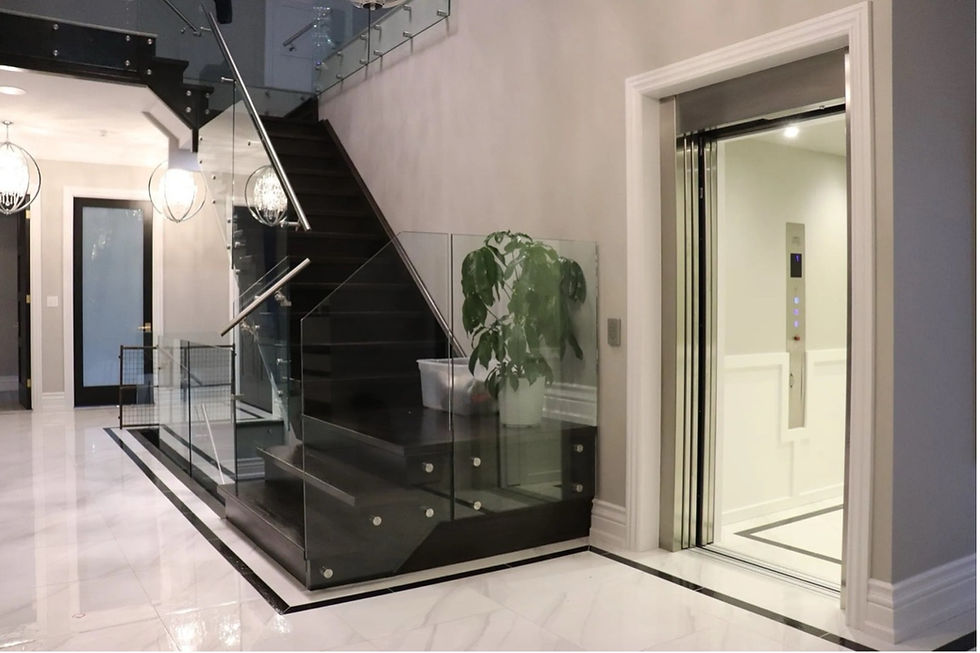
Modern residential lift systems are equipped with protective features designed to support safer operation and user protection. Professional mobility equipment providers install secure entry doors, automatic locking systems, and obstruction sensors that help reduce operational risks during movement between floors. Slip-resistant flooring surfaces and stable platform leveling technology also improve user comfort and accessibility. Certified lift specialists recommend advanced safety controls that provide consistent and secure functionality for homeowners and guests. These modern protective features play an important role in improving accessibility while maintaining a safe residential environment.
Importance of Professional Maintenance Services
Long-term lift safety depends heavily on routine inspections and ongoing professional maintenance support. Certified elevator technicians perform regular evaluations of electrical systems, safety controls, structural components, and operating mechanisms to maintain dependable performance over time. Preventive maintenance programs help identify wear, reduce unexpected operational concerns, and preserve residential safety compliance. Professional accessibility service providers often offer scheduled inspections and repair support that contribute to smoother functionality and greater homeowner confidence. Consistent servicing helps maintain safe and efficient residential mobility throughout the lifespan of the system.
Smart Technology and Modern Safety Innovations
Modern residential mobility equipment now includes intelligent technology designed to improve operational safety and convenience. Professional elevator manufacturers integrate smart monitoring systems, automated diagnostics, and advanced safety sensors into residential lift systems to support stable and efficient performance. Accessibility consultants frequently recommend technology-driven mobility solutions that allow for better operational monitoring and improved system responsiveness. Advanced control systems also help professional service teams maintain equipment reliability through faster diagnostics and maintenance planning. These modern innovations continue to strengthen the safety and functionality of residential mobility solutions.
Conclusion
Modern residential mobility systems are designed around advanced safety standards that support reliable performance, user protection, and long-term accessibility. Emergency controls, protective entry systems, professional inspections, and smart safety technology all contribute to safer operation within residential environments. Licensed accessibility consultants and mobility equipment specialists continue to improve modern lift systems through professional installation practices and advanced engineering standards. With ongoing maintenance support and expert guidance, residential accessibility solutions continue to provide homeowners with safe, comfortable, and dependable mobility throughout modern living spaces.

Comments