What Happens During Mold Remediation?
- Feb 23
- 3 min read

Mold remediation is a structured and carefully managed process designed to protect both health and property. Many property owners are unsure about what actually takes place once professionals arrive to address a mold issue. The process goes far beyond surface treatment and focuses on safety, accuracy, and long-term results. Mold growth often indicates deeper moisture problems that require expert evaluation. Understanding the remediation process helps property owners feel confident about choosing professional services.
When mold remediation in Lawrenceville becomes necessary, it is usually because mold has already spread beyond visible areas. A trained contractor approaches the situation with detailed planning and strict safety measures. This professional approach ensures that mold is removed properly without spreading spores to other parts of the building. The goal is not just removal but full restoration of a healthy indoor environment.
Inspection and Assessment Phase
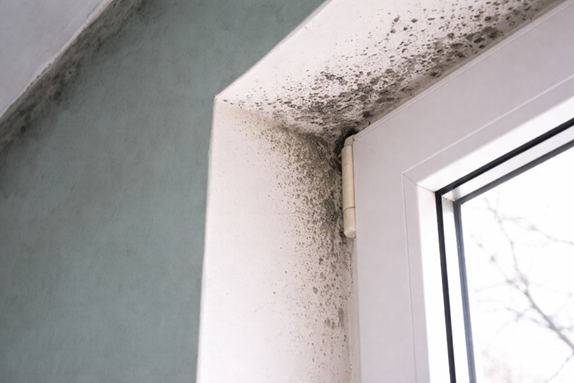
Before any remediation work begins a thorough inspection is performed by an experienced professional. This step identifies the type of mold in the affected areas and the extent of contamination. Experts use specialized tools to detect moisture levels and hidden mold behind walls, ceilings, and flooring. This assessment allows the contractor to develop a clear and effective remediation plan. Accurate evaluation is critical because mold often grows in places that are not immediately visible. A professional company understands how to interpret signs of mold activity and moisture intrusion. By identifying the root cause early, the remediation process becomes more effective and prevents recurring issues.
Containment and Safety Measures
Once the assessment is complete, the next step focuses on containment. This is one of the most important stages of professional mold removal. Contractors isolate affected areas using physical barriers and controlled airflow to prevent mold spores from spreading. Air filtration equipment is installed to capture airborne particles and maintain indoor air quality. Expert containment protects occupants and unaffected areas of the property. Without proper containment, spores can travel through ventilation systems and foot traffic. A professional approach ensures the environment remains safe throughout the remediation process.
Removal of Contaminated Materials
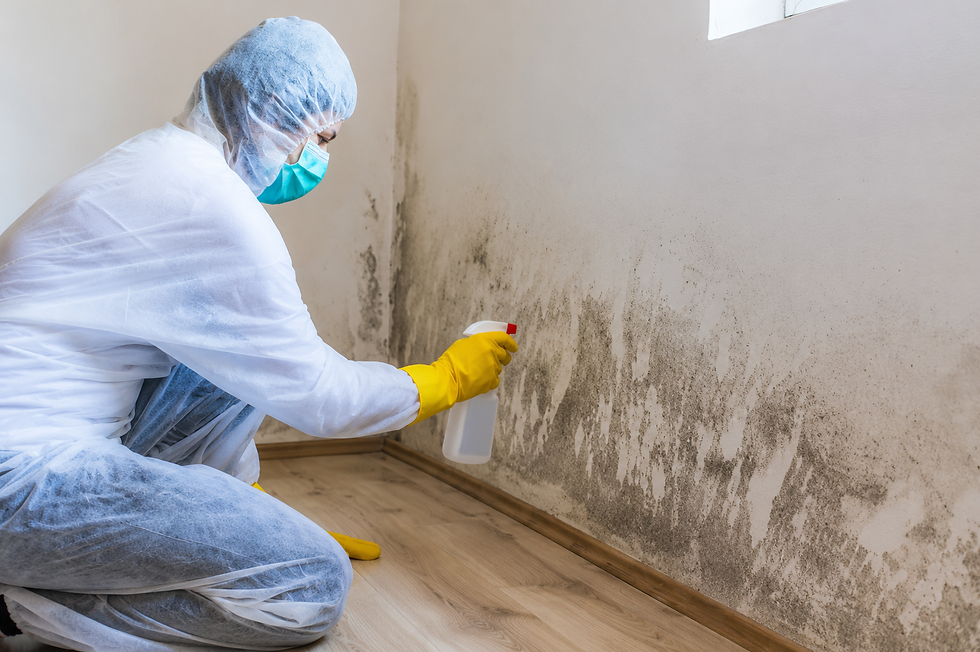
After containment is in place, professionals begin removing mold-affected materials. Porous materials such as drywall insulation and carpeting may need to be carefully removed if they cannot be restored. Non-porous surfaces are treated using industry-approved cleaning methods. This step requires precision to ensure all mold is eliminated. An experienced contractor knows which materials can be salvaged and which must be replaced. Professional judgment prevents incomplete removal, which can allow mold to return. The company focuses on thorough remediation rather than temporary improvement.
Cleaning and Sanitizing the Area
Once contaminated materials are removed, the area undergoes detailed cleaning and sanitizing. Professionals use specialized solutions and equipment designed to neutralize remaining spores. Air scrubbers and filtration devices continue running to ensure clean air circulation. This stage helps restore indoor air quality and reduces health risks. Expert mold cleaning also prepares the space for repairs or restoration. A professional company ensures that the environment is safe before moving forward.
Addressing Moisture Sources and Prevention
Mold remediation is incomplete without resolving the moisture issues that caused the problem. Contractors identify leaks, humidity problems, or ventilation concerns that contribute to mold growth. Addressing these issues is essential for long-term success. An expert provides recommendations to prevent future mold development. Professional mold remediation services focus on lasting solutions that protect the structure and occupants. This step ensures that remediation efforts remain effective over time.
Conclusion
Mold remediation is a comprehensive process that requires professional knowledge, careful planning, and expert execution. From inspection and containment to removal and prevention, each stage plays a vital role in restoring a healthy environment. Working with an experienced contractor and professional company ensures mold is handled safely and thoroughly. Understanding what happens during remediation highlights the importance of choosing expert services for reliable long term protection.

Comments