How Professional Mold Remediation Supports Better Indoor Air Quality
- May 16
- 3 min read
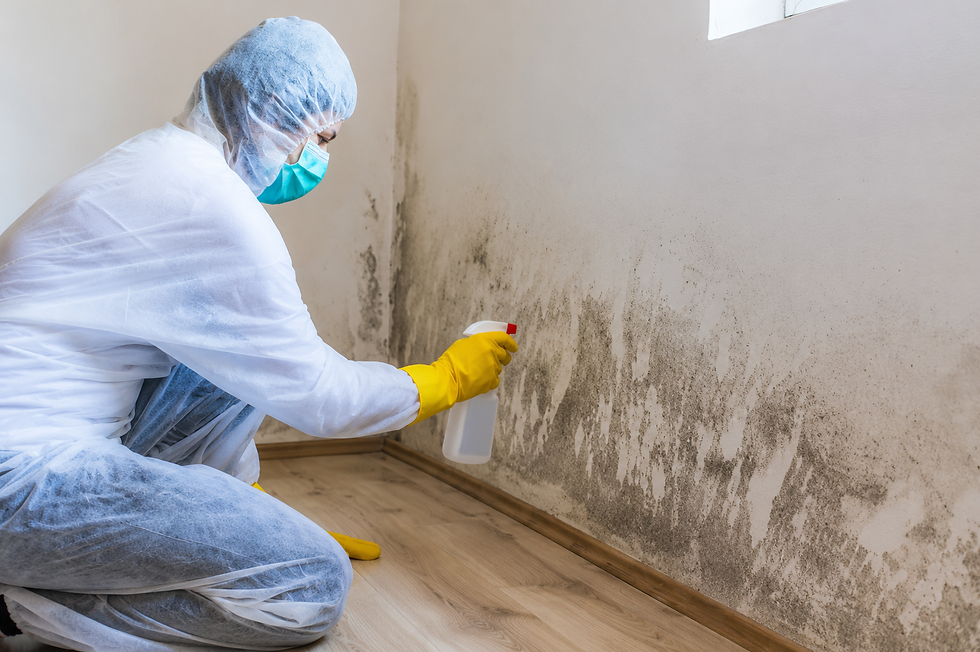
Indoor air quality plays an important role in maintaining a safe and comfortable living environment for homeowners and commercial property owners. Excess moisture, hidden leaks, and water damage can create conditions that allow mold to spread through walls, ceilings, flooring materials, and ventilation systems. Many property owners searching for mold remediation in Douglasville want experienced remediation specialists who can address contamination effectively while improving indoor environmental conditions. Professional remediation services focus on identifying moisture sources, removing harmful contamination, and restoring healthier indoor spaces through advanced restoration methods and certified remediation practices.
Professional Mold Inspections Improve Air Quality Assessments
Professional mold remediation begins with detailed inspections that help identify hidden contamination and moisture-related concerns affecting indoor air quality. Certified restoration professionals use advanced moisture detection equipment, thermal imaging systems, and air quality evaluations to locate mold growth in concealed areas. Without proper inspections, mold spores may continue circulating through indoor spaces and ventilation systems unnoticed. Experienced remediation specialists understand how environmental conditions influence indoor air quality and develop restoration plans that address contamination at its source while supporting cleaner and healthier living environments.
Proper Containment Helps Prevent Airborne Mold Spread
One of the most important parts of professional remediation is controlling the spread of airborne mold spores during cleanup and restoration procedures. Experienced mold remediation technicians use containment barriers, negative air pressure systems, and commercial-grade filtration equipment to isolate affected areas safely. These advanced containment methods help prevent mold particles from spreading into clean sections of the property during remediation work. Property owners benefit from professional restoration practices because controlled remediation procedures support improved indoor air conditions while reducing additional contamination risks inside residential and commercial buildings.
Advanced Filtration Systems Support Cleaner Indoor Air
Trusted mold remediation companies use advanced filtration systems and specialized restoration equipment designed to improve indoor air quality during and after the remediation process. High-efficiency air filtration systems help capture airborne particles, moisture-related contaminants, and mold spores that may negatively affect indoor environments. Restoration professionals also use industrial drying equipment and dehumidification systems to remove excess moisture that contributes to recurring mold growth. These professional remediation practices create healthier indoor spaces by reducing humidity levels and supporting more stable environmental conditions throughout the property.
Moisture Control Plays a Key Role in Prevention
Long-term indoor air quality improvement depends heavily on controlling moisture-related issues within the property. Professional remediation specialists evaluate ventilation systems, plumbing concerns, roofing conditions, and other structural factors that may contribute to moisture buildup and mold development. Experienced restoration contractors provide recommendations that help property owners improve airflow, reduce humidity, and maintain healthier indoor conditions over time. Proper moisture management supports long-term mold prevention while protecting indoor air quality from recurring contamination problems that may affect both residential and commercial environments.
Professional Remediation Supports Safer Living Conditions
Property owners often trust professional remediation services because certified restoration specialists follow industry-approved safety standards throughout the mold removal process. Professional remediation teams use specialized cleaning methods, environmental restoration procedures, and advanced equipment to restore affected spaces responsibly. Cleaner indoor air can improve overall comfort while helping maintain healthier living and working conditions for families, employees, and visitors. Professional restoration services also provide peace of mind because trained experts understand how to manage mold-related contamination without compromising indoor environmental safety during the remediation process.
Conclusion
Professional mold remediation services play an essential role in improving indoor air quality and protecting properties from moisture-related contamination. Experienced remediation specialists use advanced inspection methods, containment systems, and air filtration equipment to restore healthier indoor environments effectively. Long-term prevention strategies, such as moisture control and proper ventilation management, also help reduce future mold-related risks. Property owners who invest in professional remediation services benefit from cleaner indoor spaces, improved environmental conditions, and reliable restoration solutions that support safer and healthier properties over time.


Comments